Love natural aromas, actively studying the topic, and ready to dive into creating your own perfumes? Fantastic! But before you start, make sure to read this guide. It will help you avoid harming yourself, wasting expensive materials, and feeling disappointed with the results. Intrigued? Let's begin.
Selection and Storage
Use Only High-Quality Perfume Ingredients
Experienced perfumers know that the process starts with choosing the right essential oils. Quality is key to creating rich, complex scents. Poor-quality ingredients can lead to disappointing perfumes and frustration. Avoid cheap pharmacy oils and opt for certified extracts from reputable European or American producers.
Experienced perfumers know that the process starts with choosing the right essential oils. Quality is key to creating rich, complex scents. Poor-quality ingredients can lead to disappointing perfumes and frustration. Avoid cheap pharmacy oils and opt for certified extracts from reputable European or American producers.
Store Essential Oils in Glass Containers
Essential oils can corrode plastic, unlike carrier oils. Always use dark glass bottles to store them, reducing light exposure.
Essential oils can corrode plastic, unlike carrier oils. Always use dark glass bottles to store them, reducing light exposure.
Keep Extracts in a Cool, Dry, and Dark Place
Light, moisture, and high temperatures are the enemies of essential oils, causing them to degrade and lose their scent.
Light, moisture, and high temperatures are the enemies of essential oils, causing them to degrade and lose their scent.
Essential Oils, Perfume Ingredients, and Allergies
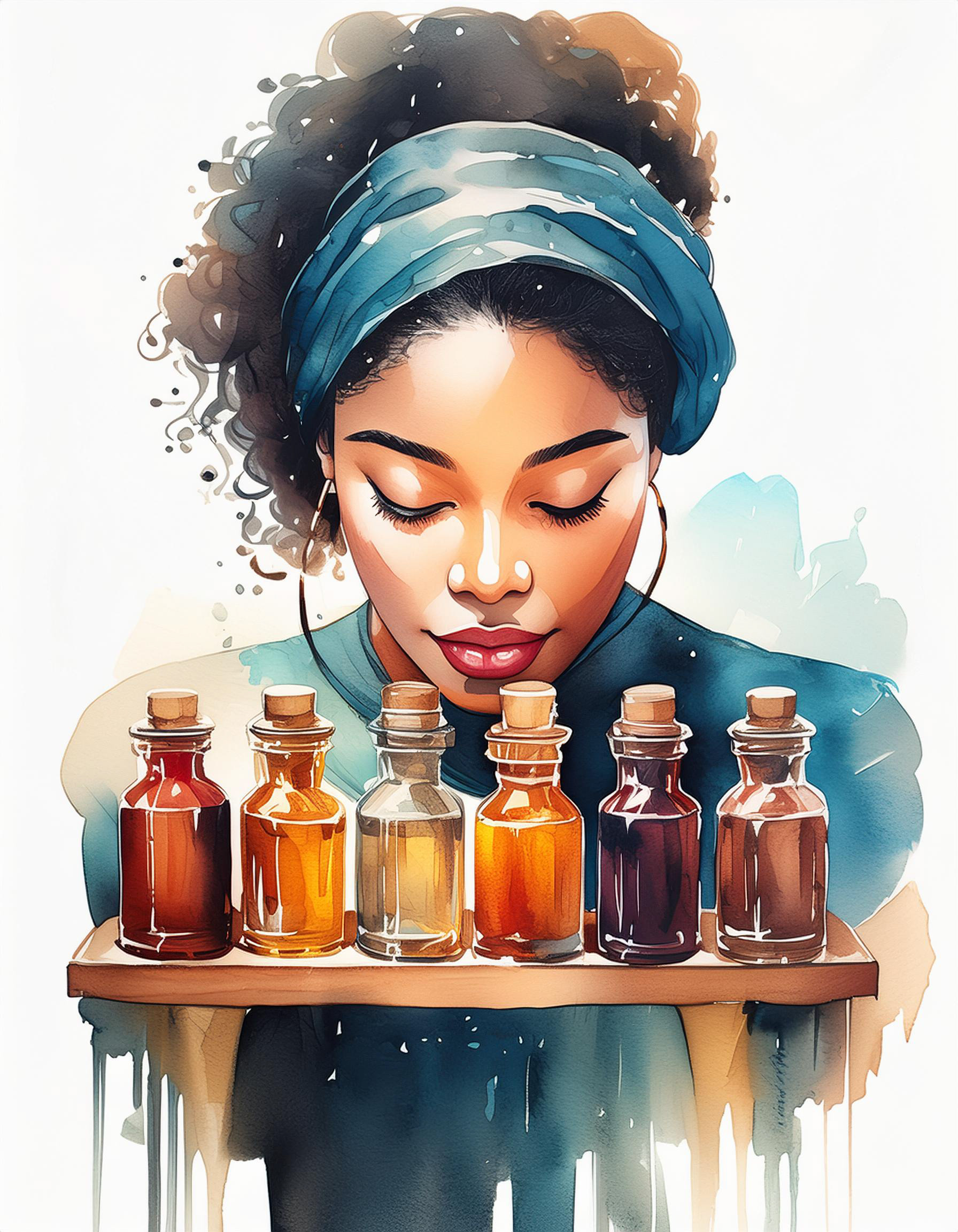
Essential oils are natural products, which means you might be allergic to some of them. To avoid unpleasant surprises, test each ingredient before use.
Conduct a Skin Test
Dilute the essential oil or perfume ingredient in a carrier oil at a 1% concentration and apply it to your wrist or elbow crease. Watch for reactions like redness, itching, or rash over the next 24 hours. If you have a reaction, discard that ingredient. If not, you're good to go.
Dilute the essential oil or perfume ingredient in a carrier oil at a 1% concentration and apply it to your wrist or elbow crease. Watch for reactions like redness, itching, or rash over the next 24 hours. If you have a reaction, discard that ingredient. If not, you're good to go.
Safety Tips for Working with Essential Oils and Fragrances
Keep Ingredients Away from Open Flames
Most essential oils are flammable at temperatures as low as 50°C. Be careful!
Most essential oils are flammable at temperatures as low as 50°C. Be careful!
Do Not Apply Undiluted Ingredients to Your Skin
Undiluted extracts are highly concentrated and can cause burns. Use a pipette to handle them and if any gets on your skin, wipe it off immediately with a cotton pad soaked in carrier oil. Washing with water won't help as oils don't dissolve in it.
Undiluted extracts are highly concentrated and can cause burns. Use a pipette to handle them and if any gets on your skin, wipe it off immediately with a cotton pad soaked in carrier oil. Washing with water won't help as oils don't dissolve in it.
Avoid Contact with Mucous Membranes
Essential oils and fragrance ingredients are even more dangerous for mucous membranes, particularly the eyes. If they come into contact with your eyes, apply vegetable oil to the affected area. For alcohol-based solutions, rinse your eyes with boiled water and use eye drops or ointment. If discomfort persists, see a doctor.
Essential oils and fragrance ingredients are even more dangerous for mucous membranes, particularly the eyes. If they come into contact with your eyes, apply vegetable oil to the affected area. For alcohol-based solutions, rinse your eyes with boiled water and use eye drops or ointment. If discomfort persists, see a doctor.
Limit Your Working Time with Oils
Overexposure can overwhelm your sense of smell, leading to headaches, nausea, nasal congestion, and temporary loss of smell. Don't test more than five scents at a time and take breaks. Ventilate your workspace and get some fresh air regularly.
Overexposure can overwhelm your sense of smell, leading to headaches, nausea, nasal congestion, and temporary loss of smell. Don't test more than five scents at a time and take breaks. Ventilate your workspace and get some fresh air regularly.
Follow these guidelines to ensure a safe and rewarding experience in creating your own natural perfumes!