Antioxidants are substances that the body can produce or obtain from food. They protect cells from potentially harmful molecules called free radicals. When free radicals are in excess, it leads to a condition known as oxidative stress, which can damage DNA and other essential cellular structures, increasing the risk of diseases like cancer, type 2 diabetes, and cardiovascular diseases.
Luckily, you can avoid oxidative stress by including antioxidant-rich foods in your diet. Various tests measure the antioxidant levels in food, with one of the best methods being the Ferric Reducing Ability of Plasma (FRAP) test. This test evaluates the antioxidant content by measuring how well the food neutralizes a particular free radical. The higher the FRAP value, the more antioxidants the food contains.
Here are 12 foods with the highest antioxidant content:
Dark Chocolate:
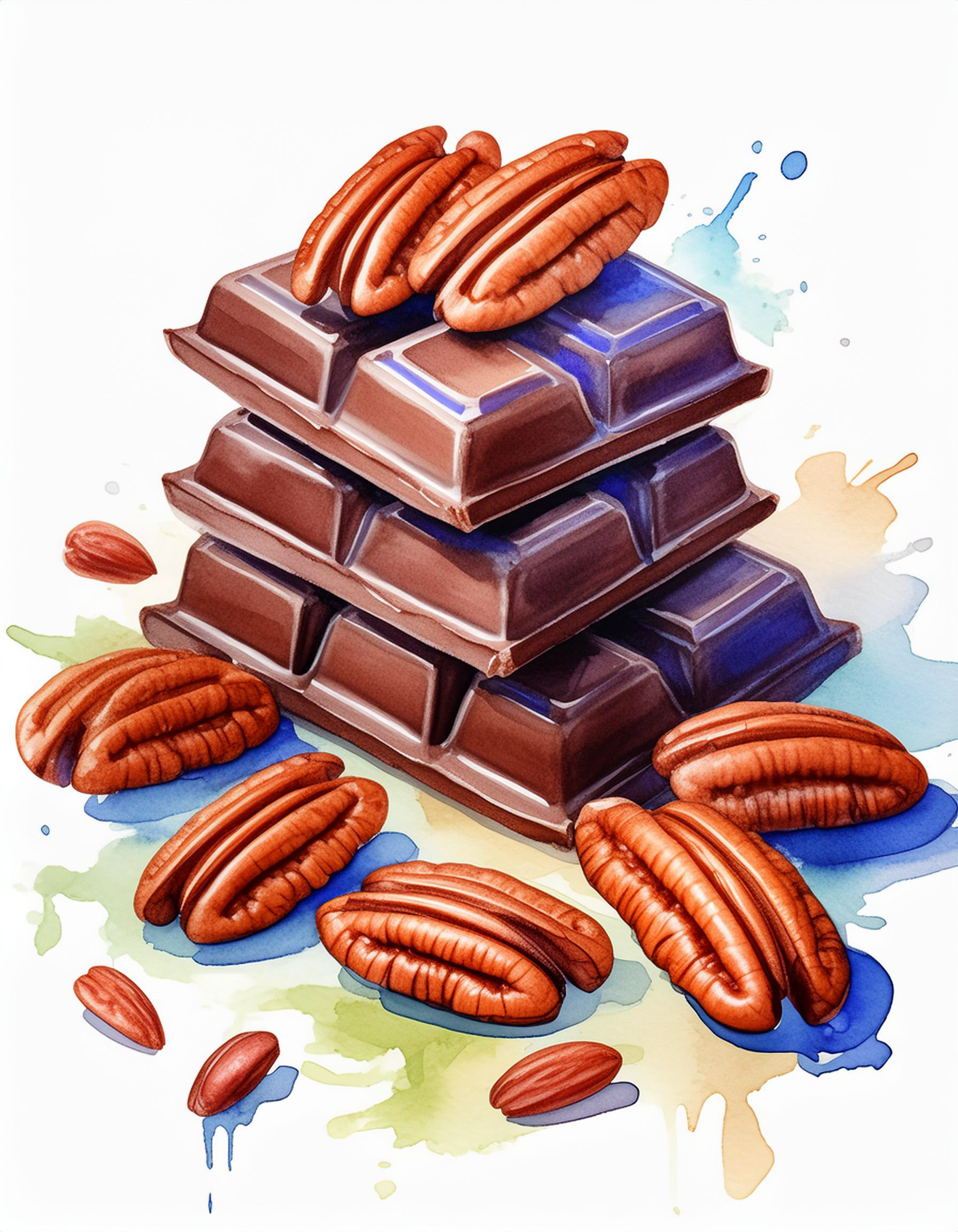
Dark chocolate is healthier than milk chocolate, as it contains more cocoa, minerals, and antioxidants. The FRAP analysis shows that 100g of dark chocolate has 15 mmol of antioxidants, more than blueberries (9.2 mmol) and raspberries (2.3 mmol). The antioxidants in dark chocolate can reduce inflammation and stabilize blood pressure.
Pecans:
Pecans, native to Mexico and South America, are a good source of healthy fats, minerals, and antioxidants, with 100g providing 10.6 mmol of antioxidants. However, they are high in calories, so moderation is key.
Blueberries:
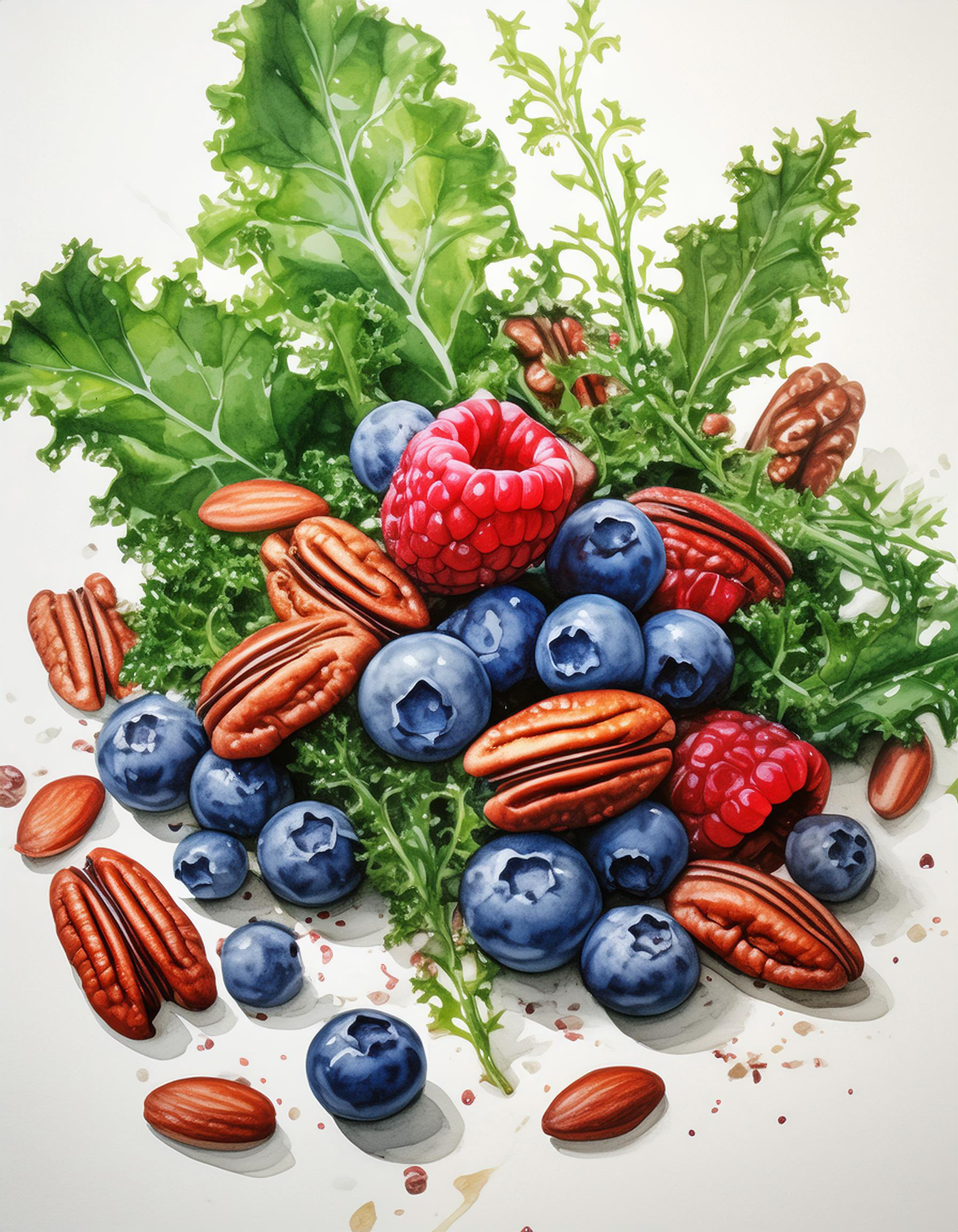
With 9.2 mmol of antioxidants per 100g, blueberries are less calorie-dense than pecans and are considered the antioxidant champion among fruits and vegetables. Animal studies show that the antioxidants in blueberries benefit the heart and can slow brain aging.
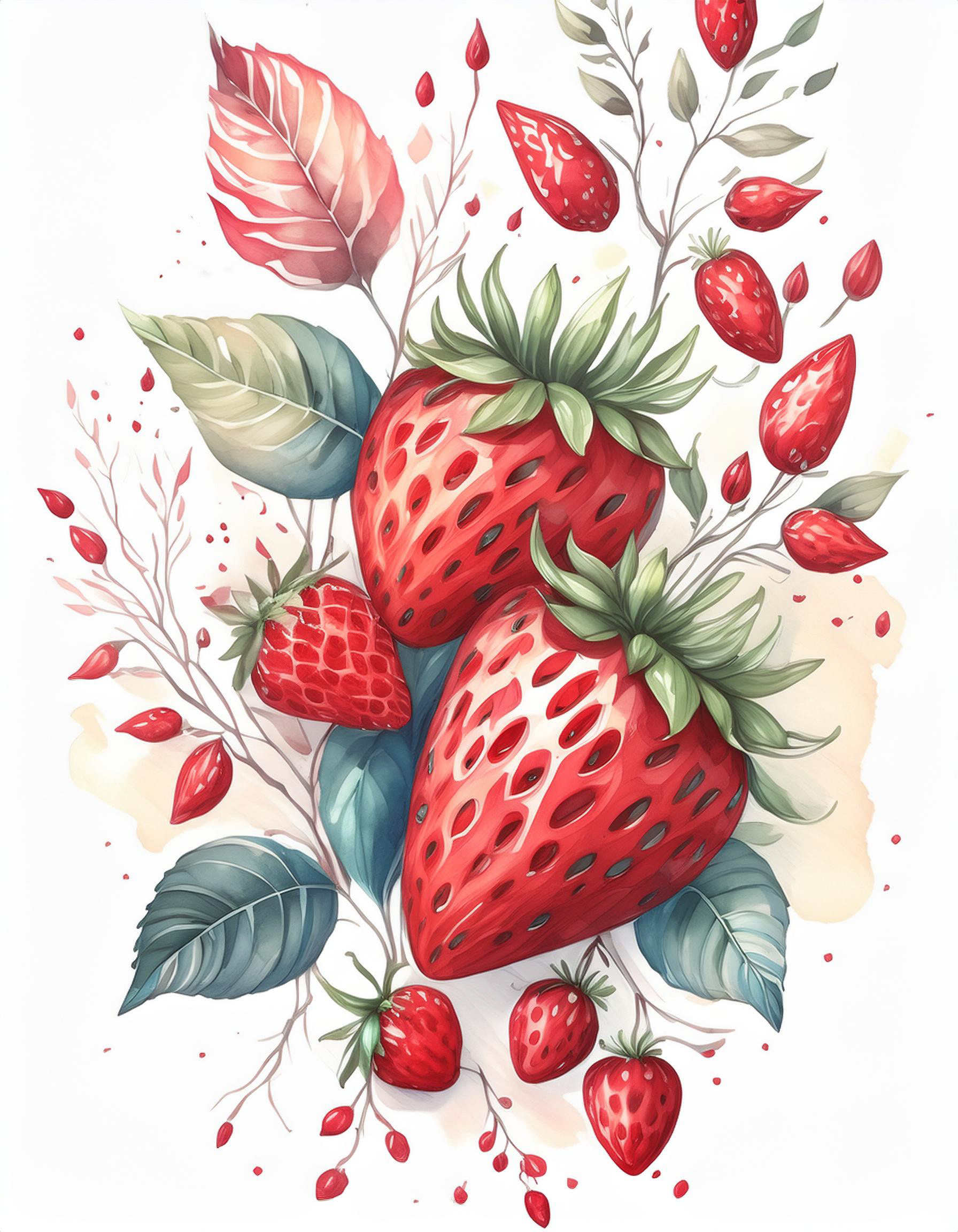
Strawberries:
Popular worldwide, strawberries are rich in vitamin C and antioxidants (5.4 mmol per 100g). They contain anthocyanins, which give the berries their red color. The redder the strawberry, the more anthocyanins it contains.
Artichokes:
Artichokes are tasty and nutritious, rich in fiber, minerals, and antioxidants (4.7 mmol per 100g). The antioxidant levels in artichokes vary depending on how they are prepared: boiling increases the antioxidant content by 8 times, and steaming by 15 times. However, frying reduces the antioxidants.
Goji Berries:
Used in traditional Chinese medicine, dried goji berries are packed with vitamins, minerals, and antioxidants (4.3 mmol per 100g). These antioxidants benefit the heart and skin, slowing aging. Despite their health benefits, goji berries are expensive and not commonly eaten regularly.
Raspberries:
Frequently used in desserts, raspberries are high in fiber, vitamin C, manganese, and antioxidants (4 mmol per 100g), including anthocyanins.
Kale:
One of the most nutritious green vegetables, kale contains vitamins A, C, K, and antioxidants (2.7 mmol per 100g). It's also an excellent source of calcium, which is good for bones and cellular functions.
Red Cabbage:
Like regular cabbage, red cabbage is rich in vitamins A, C, K, and antioxidants (2.2 mmol per 100g), including anthocyanins. Steamed red cabbage has about 35% more antioxidants than raw.
Beans:
Affordable and nutritious, beans are rich in fiber and antioxidants (2 mmol per 100g). Some beans contain kaempferol, an antioxidant that helps fight breast, bladder, kidney, and lung cancer.
Beets:
A source of fiber, potassium, iron, folate, and antioxidants (1.7 mmol per 100g), beets contain betalains, which give them their reddish color. Betalains help combat colon and digestive tract cancers and ease osteoarthritis pain.
Spinach:
One of the most nutritious vegetables, spinach is low in calories but high in vitamins, minerals, and antioxidants (0.9 mmol per 100g). It contains lutein and zeaxanthin, which protect eyes from UV light and other harmful rays.
Incorporate these antioxidant-rich foods into your diet to help protect your cells from damage and reduce the risk of chronic diseases. Stay tuned for more health tips and recipes featuring these powerhouse ingredients.