What is Tuberose, How Does It Smell, and Why is It So Valued in Perfumery?
The scent of tuberose is so potent that it can be detected from 15 meters away. In the Middle Ages, unmarried women were forbidden from approaching blooming tuberose to avoid sinful thoughts leading to immoral actions.
It's no wonder perfumers are captivated by this flower. However, taming its wild aroma is no easy feat. Let’s dive into the details.
What is Tuberose?
Contrary to what the name suggests, tuberose is not a type of rose. It has no relation to the queen of flowers and looks entirely different.
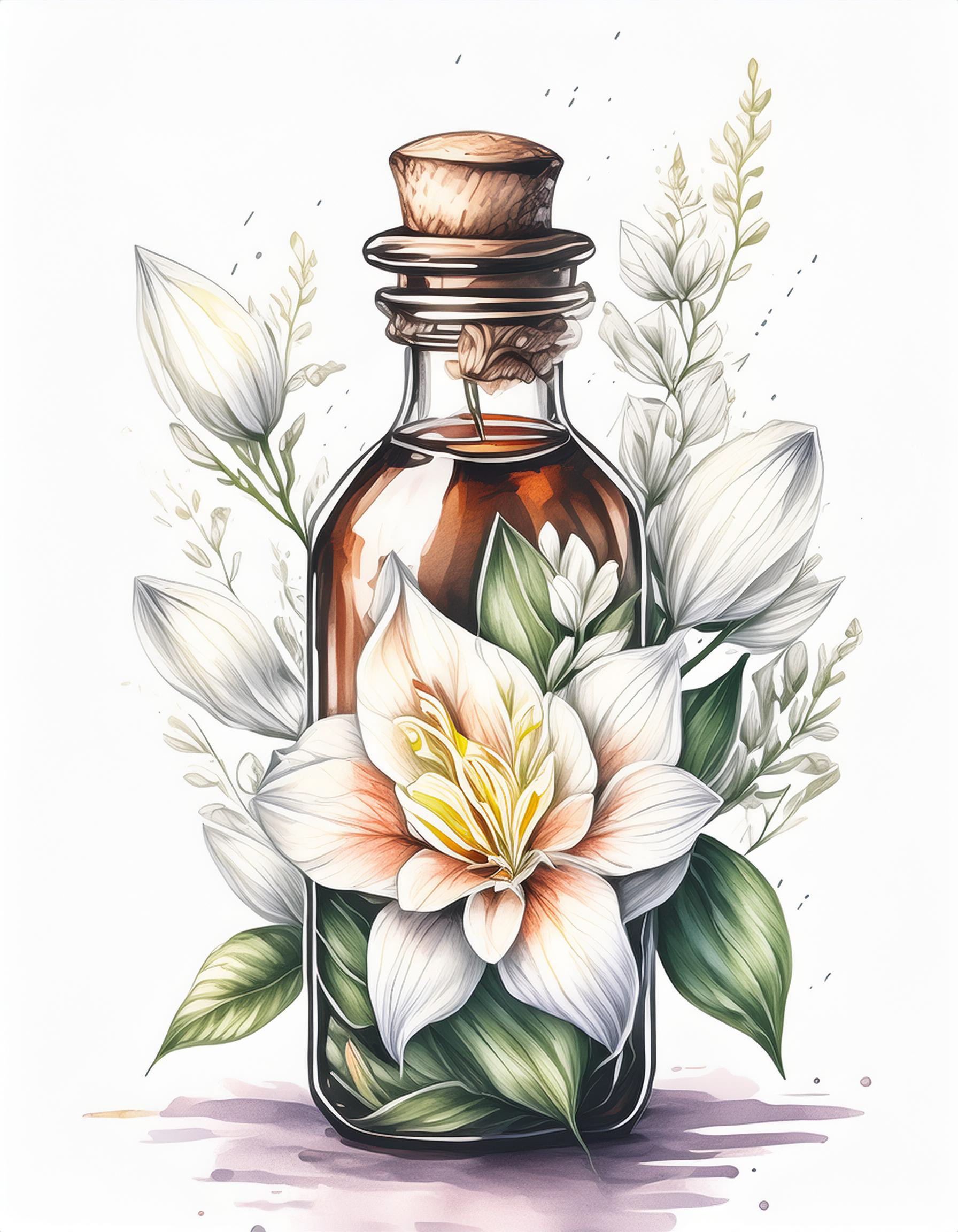
On its green, tubular stem, which can reach up to 100 cm in length, grow many white flowers with pointed petals. These flowers bloom at night, releasing an intoxicating fragrance.
Due to its delicate and modest appearance paired with a powerful scent, tuberose is often called the "queen of the night."
Originally from Mexico, tuberose is now cultivated worldwide, with major plantations in Morocco, India, and China.
The Scent of Tuberose
Describing the scent of tuberose in a few words is challenging because it is incredibly complex and rich. It encompasses a wide array of fragrances.
Green notes: Reminiscent of daffodils.
Milky undertones: Similar to exotic flowers.
Citrus hints: Mixed with cool, fresh, and sometimes described as having a "medicinal" smell.
Other nuances: Honeyed, creamy, and spicy.
Intense, intoxicating, and overtly sensual – these are the most fitting descriptions of the tuberose aroma.

Tuberose in Perfumery
Tuberose is one of the most divisive notes in perfumery. Some adore it, while others find it overwhelming. It evokes strong reactions, leaving no one indifferent.
To master the "queen of the night" fragrance, a perfumer needs not only extensive knowledge and persistence but true talent. Few can achieve this, making tuberose perfumes exceptionally valuable.
Speaking of value, tuberose is among the priciest ingredients in perfumery, comparable to ambergris and musk. This high cost is due to the requirement of about one ton of flowers to produce just one liter of tuberose oil.
Other Uses of Tuberose Oil
Tuberose oil isn't just prized in perfumery; it also has therapeutic uses:
Aphrodisiac: Boosts libido and treats frigidity.
Antidepressant: Relieves anxiety and combats apathy.
Calming Effect: Used to ease tension and treat insomnia.
Pain Relief: Alleviates various types of pain, especially cramps.
Arthritis Treatment: Provides warmth and improves blood circulation, aiding in the treatment of arthritis and arthrosis.
While tuberose has a broad range of applications, its highest value remains as an aromatic component.
Discover the allure of tuberose and let it captivate your senses with its enchanting fragrance.